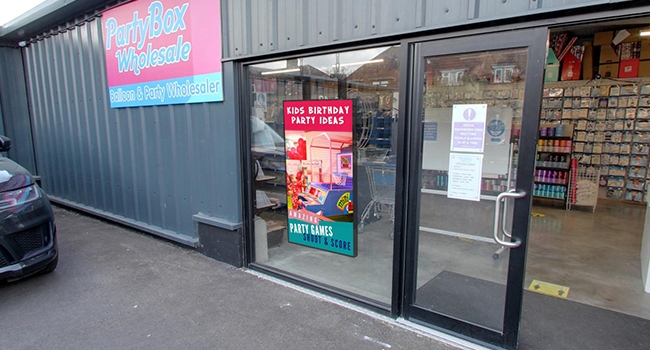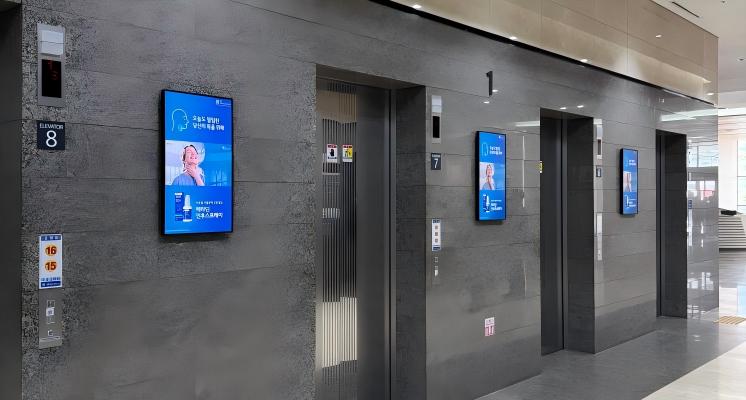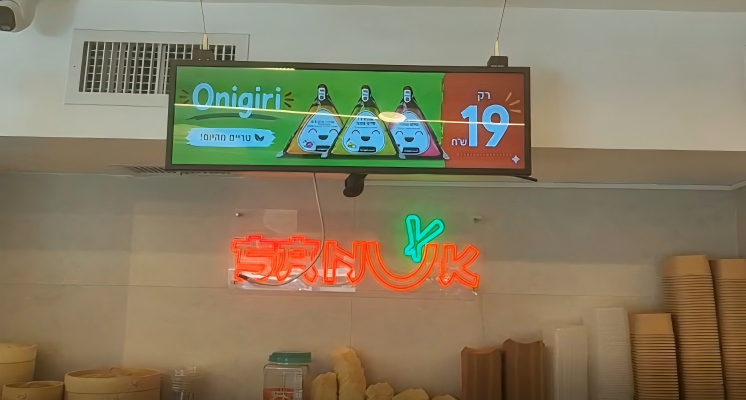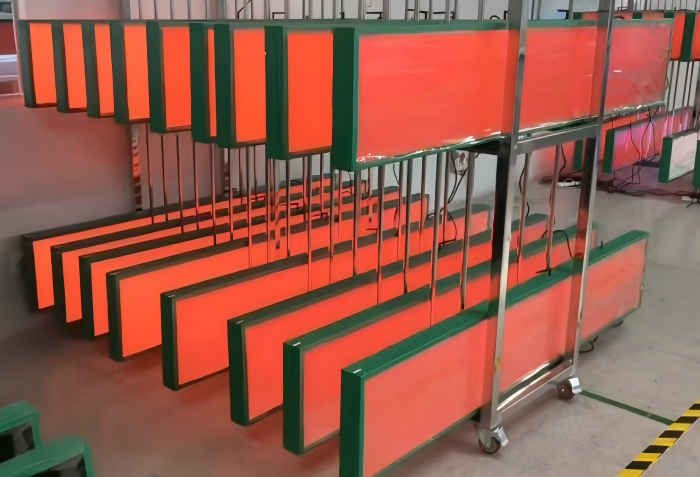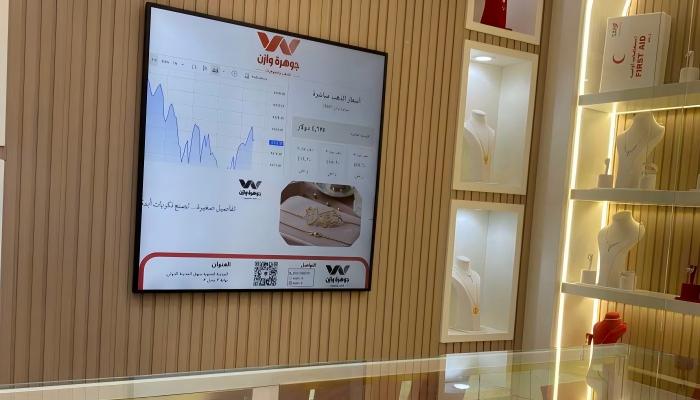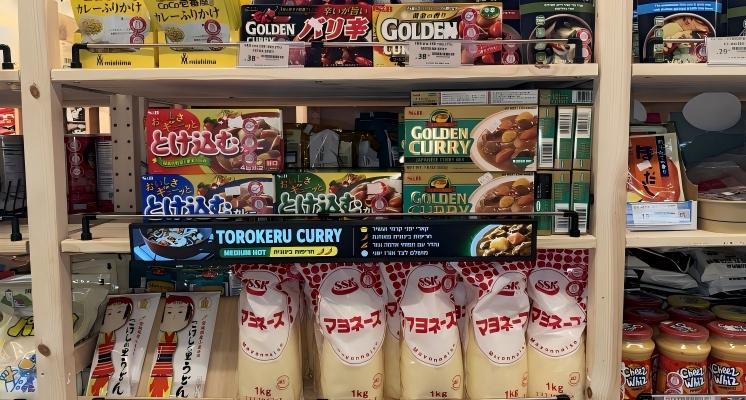
Stretched LCD displays (also called ultra-wide bar LCDs) are a fast-growing niche within commercial digital signage. Unlike conventional 16:9 screens, they feature unconventional elongated aspect ratios such as 16:3, 21:9 and 32:9, purpose-built to fit narrow, non-standard spaces where regular monitors cannot work well. Once treated as a custom, low-volume specialty product, bar LCDs have evolved into mainstream hardware for smart retail, public transport, industrial HMI, and smart city infrastructure.
Current Industry Landscape
Market Growth & Drivers
The global stretched LCD market continues to grow, outpacing the average growth rate of traditional commercial displays. Demand is driven by digital transformation in physical spaces: retailers replacing static paper labels with dynamic shelf-edge screens, transit operators upgrading passenger information systems, and factories adopting long-form HMI dashboards for production lines.
Asia-Pacific dominates both panel manufacturing and deployment volume. Chinese panel makers have expanded dedicated production lines for bar LCDs, gradually lifting standardization and cutting mass-production costs, while Korean vendors are shifting capacity toward OLED and reducing conventional LCD investment. This structural change makes Chinese suppliers key players in the global bar LCD supply chain for both standard and custom-cut panels.
Core Application Segments
- Smart Retail (Shelf-edge & Checkout): This is the largest growth engine. Bar LCDs replace paper price tags and basic e-ink labels, supporting real-time price sync, promotional video, and dynamic marketing content. High-brightness narrow-bezel versions are widely deployed in supermarkets, convenience stores, and food menu boards. Unlike e-ink, they deliver full-color motion visuals to drive in-store conversion.
- Public Transportation Subway platform indicators, in-train overhead passenger information screens, airport gate displays, and bus route banners require rugged bar LCDs with wide temperature tolerance, vibration resistance, and long MTBF. These units often run 24/7 and demand high reliability certifications.
- Industrial & Smart Building Factory control panels, elevator information strips, hospital corridor status boards and warehouse logistics dashboards use bar LCDs to visualize continuous data streams within limited horizontal space.
- Automotive & Special Equipment: Custom bar LCDs are increasingly adopted for vehicle cockpit auxiliary displays and machinery embedded interfaces, requiring strict shock, temperature and EMC compliance.
Product Segmentation & Competition
The market splits into two categories: standard stretched bar LCDs and custom-cut TFT bar panels. Standardized sizes support large-batch projects with shorter lead times and lower unit cost. Custom panels serve OEMs and special engineering projects but carry higher tooling fees and longer development cycles.
Competition is shifting from pure price rivalry to a solution-based model. Leading suppliers no longer only sell hardware; they bundle screens with CMS (Content Management System), remote monitoring and edge computing integration services.
Key Technology Progress
- Brightness & Ruggedization Upgrades Indoor commercial models typically range from 300–700 nits; high-brightness versions reach 1000–3000 nits for semi-outdoor or window-facing installations. IP65 sealed designs are now common for transport and industrial deployments to resist dust and moisture. Lifespan targets for heavy-duty applications stay at 50,000+ hours MTBF.
- Panel & Backlight Optimization New low-power backlight and IGZO panel technologies reduce power draw significantly while improving response time. Ultra-narrow bezels and ultra-slim mechanical designs simplify wall, shelf and ceiling mounting in tight spaces. Some suppliers offer curved bar LCD options for creative installations.
- Interactivity & Connectivity Capacitive touch integration is growing. Most modern bar LCDs support HDMI, DP, LVDS and embedded wireless modules (Wi‑Fi / 4G) for remote content push and multi-screen synchronization.
- Software & Ecosystem Maturity CMS platforms have improved support for non-standard resolutions, reducing image distortion and simplifying centralized content scheduling across hundreds of distributed bar screens.
Stretched bar LCD displays are no longer a niche curiosity. As physical spaces continue digitizing, their unique form factor matches a broad set of commercial and industrial scenarios that conventional displays cannot address. The next phase of competition will center on integrated smart systems, energy efficiency, and reliable customized solutions. Businesses selecting bar LCDs should evaluate not only panel specs, but also software compatibility, long-term component availability, and after-sales support.